

What is Local SEO? Learn How to Optimize for Local Search!

Local SEO is the process of optimizing a business’s online presence to improve visibility in local search results. It focuses on Google My Business, local keywords, citations, and reviews to attract nearby customers. Local SEO helps businesses increase traffic, leads, and conversions from searches with local intent.

Why is Local SEO important for businesses?

Local SEO (Local Search Engine Optimization) is a digital marketing strategy that enhances a business’s visibility in location-based search results on Google and other search engines. Unlike traditional SEO, which focuses on ranking for broad or global keywords.

Local SEO prioritizes searches with local intent, such as “best coffee shop near me” or “plumber in New York.”

Key Elements of Local SEO

  • Google Business Profile (GBP) Optimization, ensuring that a business is correctly listed on Google with accurate information.
  • Local Keyword Targeting, using keywords that reflect the geographic intent of users.
  • NAP (Name, Address, Phone Number) Consistency, Keeping business information the same across all online platforms.
  • Local Citations, listings on directories like Yelp, Bing Places, Apple Maps, and other local sites.
  • Online Reviews & Reputation Management, encouraging and responding to customer reviews to build trust.
  • On-Page & Technical SEO, optimizing website elements like metadata, mobile-friendliness, and local schema markup.
  • Localized Content Strategy, publishing blogs, articles, and pages relevant to the local community.
  • Link-Building & Local Partnerships, acquiring backlinks from local businesses, newspapers, and organizations.

Importance of Local SEO for Businesses

It helps businesses appear in Google’s Local Pack (3-Pack) and Google Maps, leading to more website visits and foot traffic.

76% of users who search for a nearby business visit a store within 24 hours.

Businesses with positive Google reviews and accurate business information rank higher and gain customer trust.

88% of consumers trust online reviews as much as personal recommendations.

Local searches have higher purchase intent than generic searches.

78% of local mobile searches result in offline purchases.

Competes with larger businesses by focusing on hyper-local marketing strategies.

Example: A small family-owned bakery can rank higher than a national chain in a specific neighborhood.

60% of mobile users perform local searches daily.

Voice searches like “find a nearby gas station” are increasing, making Local SEO essential for businesses.

Businesses with multiple locations can create individual landing pages for each branch to improve regional rankings.

Unlike paid ads, Local SEO provides long-term benefits by improving organic search rankings. Reduces reliance on expensive Pay-Per-Click (PPC) advertising.

Local SEO is an essential strategy for brick-and-mortar stores, service-based businesses, and multi-location brands.

How Local SEO Helps Businesses Attract Local Customers?

Local SEO is the key to connecting with nearby customers, increasing search visibility, and ensuring your business appears when potential buyers are actively searching for your services. Follow these essential steps to attract more local customers and grow your business.

Step #1. Get Found in Local Search Results

Your goal is to appear in Google’s Local 3-Pack and Google Maps, where most customers click first.

Rank in the Local 3-Pack – The top three businesses in Google’s local search results get the most traffic. Optimize your listing to ensure you’re one of them.
Show Up on Google Maps – Customers searching for directions or nearby businesses rely on Google Maps rankings. Boost Click-Through Rates (CTR), businesses in the 3-Pack get more clicks and engagement, increasing leads and sales.

Example: A search for “Roofers near me” displays three top-rated roofers contracters. If your Roofing Website isn’t optimized, you won’t make the cut.
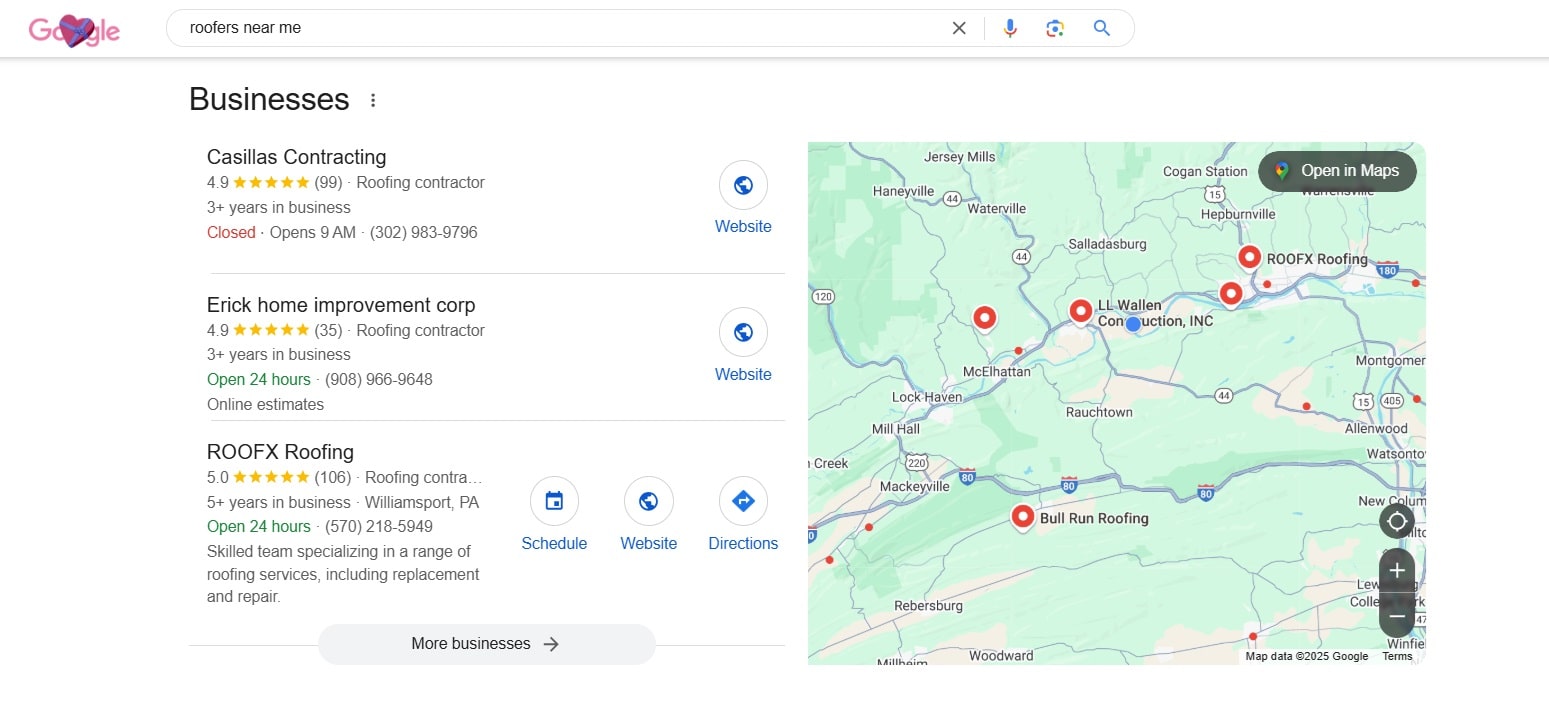
Google’s Local 3-Pack and Google Maps
These results trigger when we perform local search term like, “Roofers Near Me”. Google’s Local 3-Pack and Google Maps

Step #2. Having GBP for Local Business

Your GBP is the most powerful tool for driving local traffic.

Ensure NAP Consistency – Your Name, Address, and Phone Number must be identical across all platforms. Add Business Hours & Photos – Listings with images get 42% more direction requests and 35% more clicksEncourage Customer Reviews – 88% of customers trust online reviews. High ratings improve rankings and credibility. Use Google Q&A & Messaging – Engage with potential customers and answer their queries instantly.

Note: I’ll guide you through the steps in the coming section below.

Example: A plumbing company with an optimized GBP, 5-star reviews, and location-based keywords attracts more calls than a competitor with an incomplete listing.
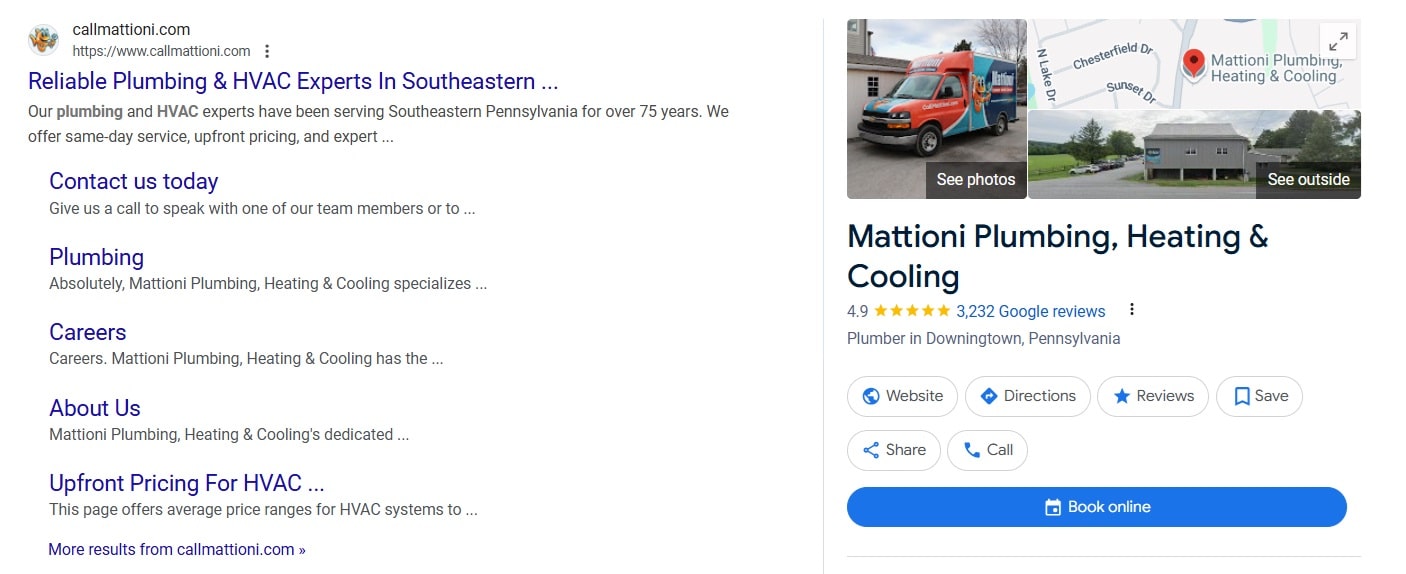
Plumbing Company with Complete Google Business Profile (GBP)
A plumbing company with an optimized GBP, 5-star reviews, and location-based keywords. Result of brand name along-with Google Business Profile (GBP)

Step #3. Optimize Website with Local Keywords

Using geo-targeted keywords helps your business rank higher for relevant searches.

Target Long-Tail Keywords – Customers search for “emergency dentist in Chicago” rather than just “dentist”. Use Service + Location Keywords – Add city names to titles, descriptions, and content (e.g., “best digital marketing agency in Miami”). Create Location-Specific Landing Pages – If you have multiple locations, individual pages improve local rankings.

Example: A bakery using “best organic bakery in LA” on its website ranks higher for food lovers searching locally.
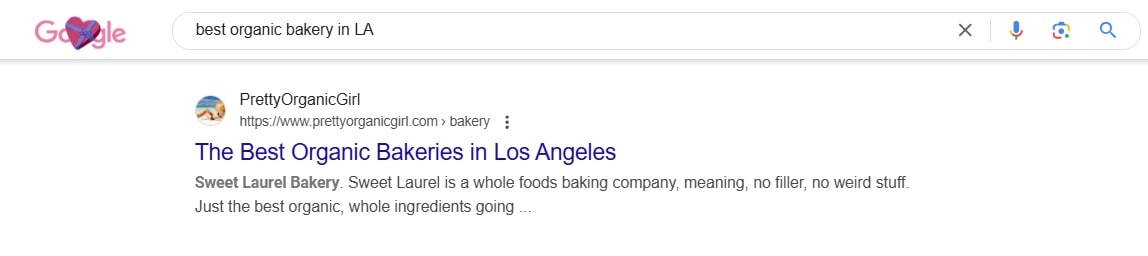
best organic bakery in LA
The SERP result of a bakery using “best organic bakery in LA”.

Step #4. Use Customer Reviews to Build Trust

Positive reviews influence customer decisions and impact rankings.

Higher Rankings on Google – More positive reviews = higher search placement. Increase Click-Through Rates (CTR) – Businesses with 4.5+ stars get more clicks. Boost Credibility – 72% of consumers read reviews before purchasing.

Example: A company with more 5-star reviews ranks above competitors with fewer or lower-rated reviews.
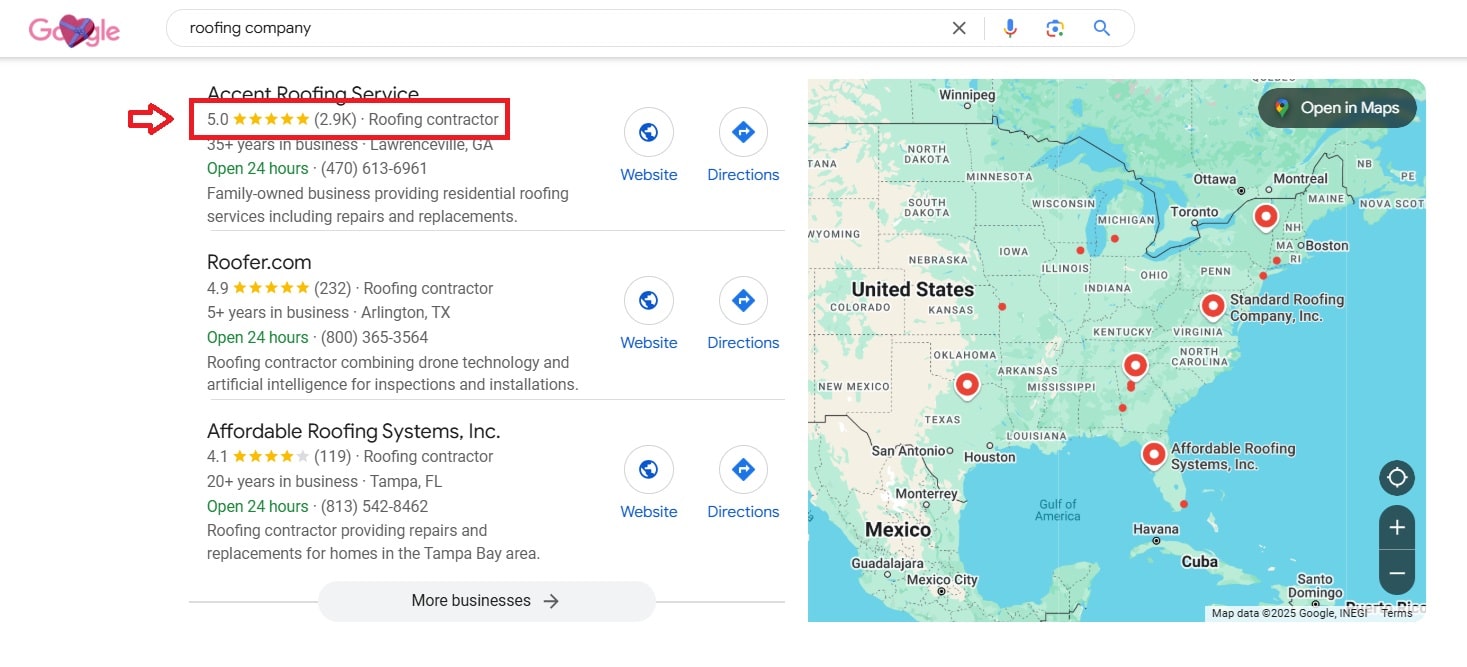
More Customer Reviews to Build Trust
A roofing company with 2.9K+ 5-star reviews ranks above competitors with fewer or lower-rated reviews.

Pro Tip: Actively request reviews and respond to all feedback to build trust and engagement.

Step #5. Optimize for Mobile & Voice Search

Local searches happen on-the-go, and voice search is on the rise.

Optimize for “Near Me” Searches – 60% of mobile searches are local. Ensure Mobile-Friendly Website – Google prioritizes fast, mobile-optimized sites. Use Conversational Keywords for Voice Search – Example: “Where is the best Italian restaurant near me?”

Example: A dental clinic that adds questions like “Where can I find the best dentist near me?” attracts more voice search traffic.
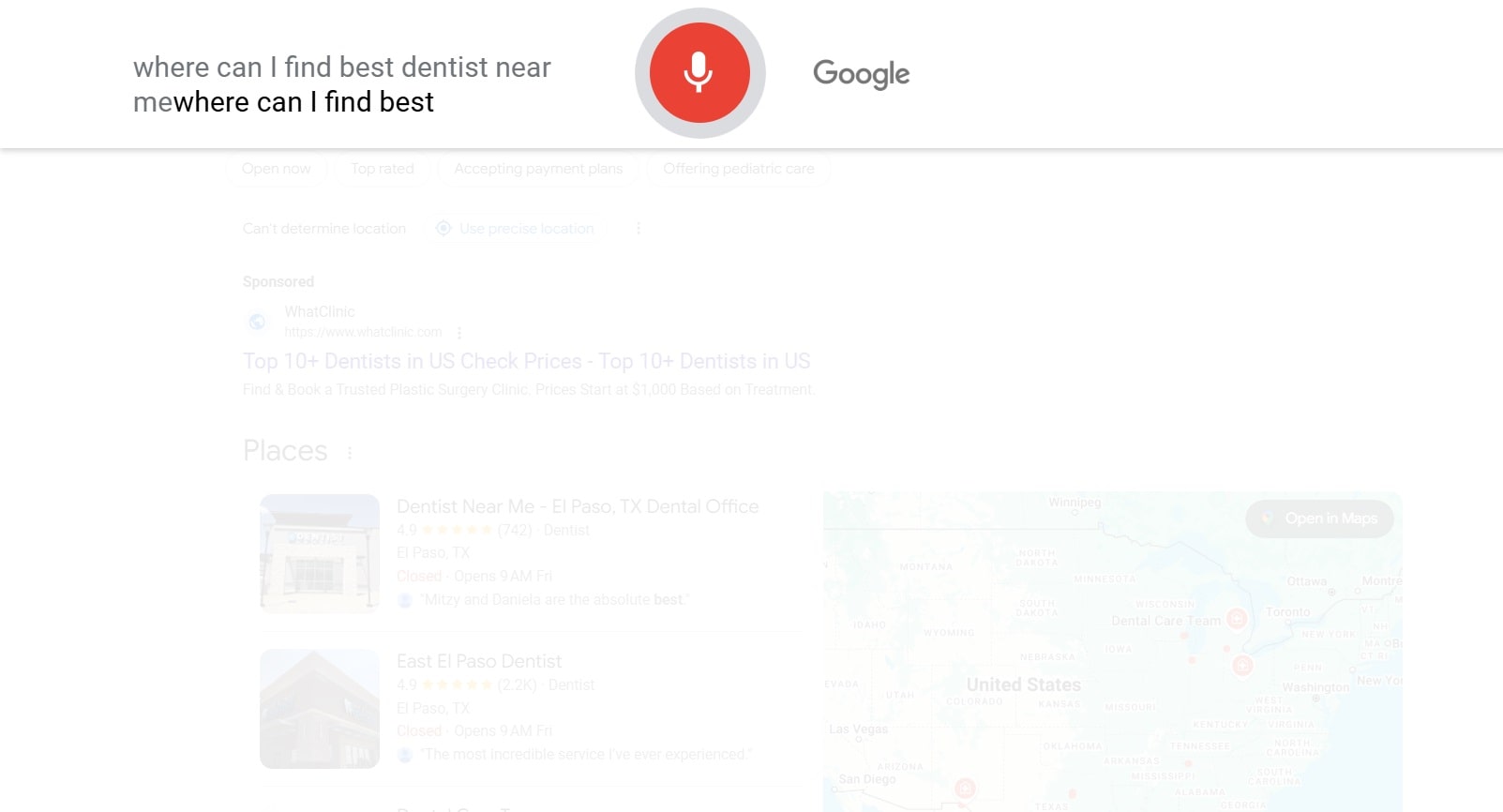
Where can I find the best dentist near me?
Voice Search Result for term “Where can I find the best dentist near me?”

Step #6. Drive More Foot Traffic & In-Store Visits

Local SEO converts online searches into real-world visits.

Google Maps Integration – 76% of people who search for a business nearby visit within 24 hours. Click-to-Call & Directions – Makes contacting or visiting effortless. Promote Local Offers – Limited-time deals attract walk-in customers.

Example: An auto repair shop offering 20% off on brake fluid service drives more foot traffic and increases in-store visits.
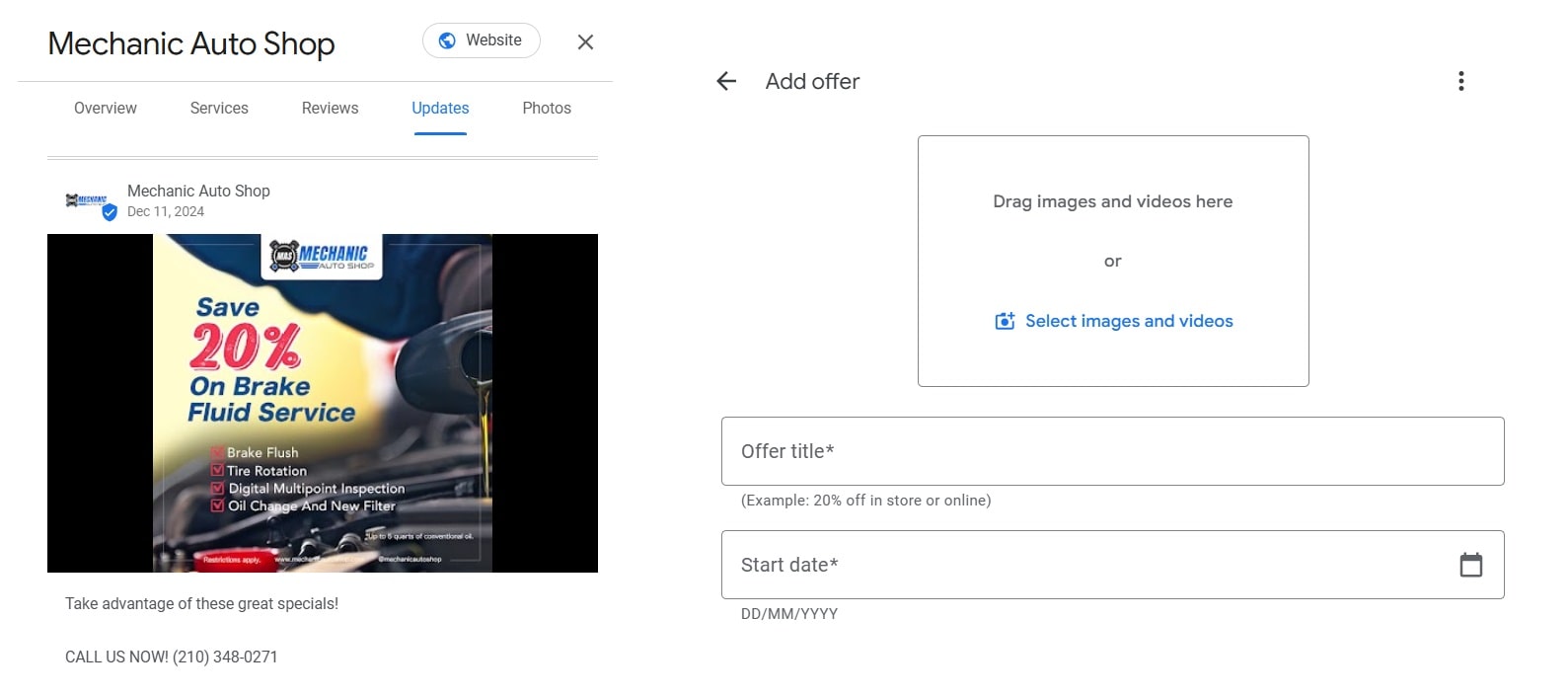
Drive More Foot Traffic & In-Store Visits Auto Shop
Auto Repair shop offering 20% off on brake fluid service.

Step #7. Strengthen Brand Authority & Local Community Engagement

Being active in your community boosts your local reputation and SEO rankings.

Participate in Local Events & Sponsorships – Builds credibility and awareness. Create Localized Content – Blog about community events and industry news. Leverage Social Media & Local Influencers – Enhances visibility and trust.

Example: A real estate agent writing neighborhood guides attracts more buyers and sellers.
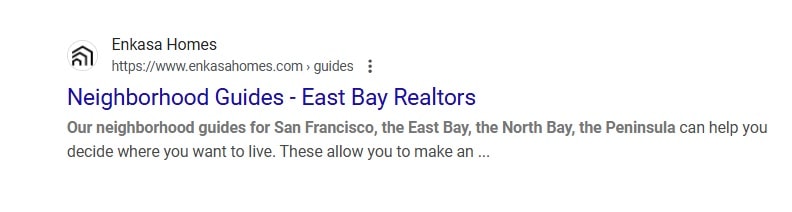
real estate agent neighborhood guides
A real estate agent talks about neighborhood guides.

Take Action Now to Dominate Local Search

Your business can rank in Google’s Local 3-Pack & Maps, by implementing these Local SEO strategies.

  • Increase customer engagement & conversions.
  • Drive more foot traffic & online leads.
  • Build trust & authority in your community.

So, start optimizing today and grow your local customer base.

What Are the Key Components of Local SEO?

Your Local SEO strategy consists of multiple interconnected components that work together to increase your search rankings, attract nearby customers, and establish credibility. Each component is important f or improving visibility and engagement.

Below is a step-by-step breakdown of what you should focus on to dominate your local market.
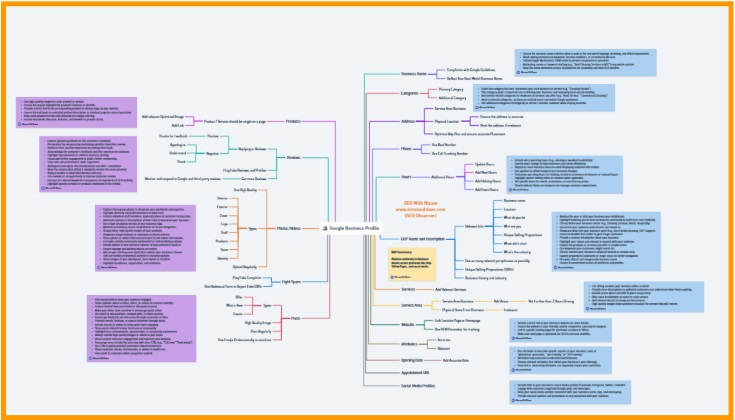
Steps to Optimize Your Google Business Profile (GBP)

GBP Optimization Mindmap

Step #1: Optimize Your Google Business Profile (GBP)

Your Google Business Profile (GBP) is the foundation of Local SEO and one of the most critical factors in ranking in Google’s Local 3-Pack and Google Maps results. Neglecting it could lead to dire consequences, causing your business to lose visibility and potential customers.

What You Should Do!

  • Claim & Verify Your GBP Listing – Ensure Google officially recognizes your business.
  • Provide Accurate NAP (Name, Address, Phone Number) Details – Your business details must be consistent across all platforms.
  • Choose the Correct Business Categories – Select a primary category that represents your core service and secondary categories for additional offerings.
  • Write a Detailed Business Description – Include local keywords and highlight your unique selling points.
  • Upload High-Quality Photos & Videos – Listings with images receive 42% more direction requests and 35% more clicks.
  • Encourage & Respond to Customer Reviews – 88% of customers trust reviews when making purchasing decisions.
  • Post Regular Updates – Share promotions, events, and offers to keep potential customers engaged.

Example: A restaurant updating its GBP listing with daily specials and customer images will attract more engagement and rank higher than competitors who neglect their profiles.

Step #2: Ensure NAP Consistency Across All Platforms

Your business name, address, and phone number (NAP) must be identical everywhere online. Inconsistencies can lead to lower rankings and customer confusion.

Where You Should Maintain NAP Consistency!

  • Google Business Profile (GBP)
  • Your Website (Footer, Contact Page, Schema Markup)
  • Social Media Pages (Facebook, LinkedIn, Instagram, Twitter)
  • Online Directories (Yelp, Yellow Pages, Bing Places, Apple Maps)
  • Local Chamber of Commerce Listings

Common NAP Mistakes to Avoid:

  • Using different phone numbers on various platforms.
  • Inconsistent address formatting (e.g., “123 Main St.” vs. “123 Main Street”).
  • Changing business details without updating all listings.

Example: A dentist with mismatched contact details on Google and Yelp may confuse potential customers and hurt rankings.

Step #3: Build Local Citations & Business Listings

Citations help establish credibility and improve your local rankings. The more reputable directories your business is listed in, the more Google trusts you.

Where You Should List Your Business!

  • Google Business Profile
  • Yelp
  • Bing Places
  • Apple Maps
  • Facebook Business Pages
  • Better Business Bureau (BBB)
  • Angie’s List (for home services)
  • TripAdvisor (for hospitality businesses)
  • Industry-Specific Directories (e.g., Zocdoc for doctors, Avvo for lawyers)

Top Citation Recommendations

Check out this citation tracking list. It provides information about the directory, release date, citation authority, paid or free version, and the site type.

Example: A law firm listed on Avvo, Yelp, and Google Business Profile will have higher visibility and credibility than one that only appears in Google search results.

Step #4: Optimize Your Website with Local Keywords

Local keyword optimization ensures your business appears in search results when potential customers look for services in their area.

How You Should Optimize for Local Keywords!

  • Use “Service + Location” Keywords – Example: “best plumbing services in San Diego” instead of just “plumbing services.”
  • Include Local Keywords in Title Tags & Meta Descriptions – Example: “Affordable HVAC Repair | Dallas, TX.”
  • Optimize Headings (H1, H2) and Content with location-based terms.
  • Create Location-Based Landing Pages – Example: “Car Repair Services in Miami” and “Car Repair Services in Orlando.”

Example: A pet grooming salon targeting “Dog Grooming in Chicago” will attract more local pet owners than one using just “Dog Grooming Services.”

Step #5: Implement a Localized Content Strategy

Hyper-local content helps you engage with potential customers in your community while improving search visibility.

What You Should Publish!

  • Local News & Events – Example: “How Small Businesses in Houston Are Thriving Post-Pandemic.”
  • Neighborhood Guides – Example: “Top 10 Restaurants to Visit in Brooklyn.”
  • Customer Testimonials & Success Stories – Build trust with real-life customer experiences.
  • Local How-To Guides – Example: “Best Tips for Home Renovation in San Diego.”

Example: A real estate agency publishing local market updates will attract more buyers and sellers looking for insights.

Step #6: Manage Online Reviews & Build Reputation

Customer reviews are one of the most influential ranking factors in Local SEO and important for consumer in decision-making.

How You Should Manage Reviews!

  • Encourage Customers to Leave Reviews – Use follow-up emails, QR codes, and in-store signage.
  • Respond to Every Review – Thank customers for positive reviews and professionally address negative ones.
  • Monitor Reviews Across Platforms – Use tools like Trustpilot, Yext, and Google Alerts to track customer feedback.

Example: A spa with 500+ five-star reviews on Google will rank higher and receive more bookings than competitors with few reviews.

Step #7: Build Local Backlinks & Partnerships

Backlinks from local sources increase your website’s authority and improve search rankings.

What You Should Do!

  • Partner with Local Businesses – Exchange backlinks with non-competing businesses.
  • Get Featured in Local News & Blogs – Reach out to journalists for media coverage.
  • Sponsor Community Events – Many events list sponsors on their websites, generating valuable backlinks.

Example: A gym sponsoring a charity marathon may get featured on the event website, improving its credibility and local search presence.

Take Action to Dominate Local Search

Your Local SEO strategy must include GBP optimization, NAP consistency, citations, local keyword targeting, localized content, online reviews, backlinks, and mobile optimization.

So, by implementing these strategies, your business can:

  • Rank in Google’s Local 3-Pack & Maps.
  • Increase customer engagement & conversions.
  • Drive more foot traffic & online leads.
  • Build trust & authority in your community.

You should start optimizing today and gain a competitive edge in your local market.

Why is Google Business Profile (GBP) Crucial for Your Local SEO?

Your Google Business Profile (GBP) is one of the most powerful tools for Local SEO. It serves as a digital storefront, providing potential customers with essential business information, including your location, contact details, business hours, reviews, and photos. A well-optimized GBP listing enhances local search visibility, customer engagement, and conversions. Your GBP profile plays a direct role in ranking in Google’s Local Pack (3-Pack) and Google Maps, making it an essential tool for your local business.

How Google Business Profile Impacts Your Local SEO Rankings?

Your GBP listing influences Google’s Local 3-Pack and Google Maps rankings. Businesses that have a complete, verified, and active GBP profile gain higher visibility in local searches.

What You Should Know!

  • Google prioritizes optimized GBP listings when ranking businesses for local search queries.
  • The Local Pack consists of the top three most relevant businesses for a search query.
  • Businesses that optimize their GBP profile attract more clicks and engagement.

Example: A plumbing company with a well-optimized GBP listing will appear in the Local 3-Pack for “plumber near me”, generating more calls and website visits than competitors with incomplete profiles.

Key Features of Google Business Profile & How They Benefit You!

Your GBP profile contains essential elements that directly impact your rankings and customer trust.

Business Name, Address, Phone Number (NAP) Consistency

  • Google uses your NAP details to verify and rank your business.
  • Consistency across GBP and other online directories improves credibility and trustworthiness.

Business Categories & Attributes

  • Choose a primary category that best represents your business.
  • Add secondary categories for additional services.
  • Attributes such as “Women-Owned,” “Free Wi-Fi,” or “Outdoor Seating” make your business stand out.

Business Hours & Holiday Hours

  • Keep your business hours accurate to prevent customer frustration.
  • Google highlights “Closed” or “Open Now” statuses, impacting customer decisions.

Customer Reviews & Ratings

  • Reviews increase local rankings and build trust.
  • Google prioritizes businesses with high ratings and recent reviews.

Photos & Videos

  • Businesses with high-quality images receive 42% more direction requests and 35% more website clicks.
  • Upload images of your storefront, interior, products, and team.

Google Q&A & Messaging Feature

  • Customers can ask questions directly, improving engagement.
  • Messaging allows real-time communication, making it easier for customers to connect with your business.

Google Posts & Updates

  • Share updates, promotions, events, and announcements to attract more customers.
  • Regular updates keep your profile active and relevant.

Example: A restaurant that posts weekly specials and seasonal promotions through GBP will attract more customers than a competitor without updates.

How to Optimize Google Business Profile for Maximum SEO Benefits?

Your GBP must be fully optimized to rank higher in local search results.

Claim & Verify Your Business Profile

  • Visit Google Business Profile Manager and claim your listing.
  • Google requires verification via postcard, email, or phone to prevent spam.

Provide Complete & Accurate Information

  • Fill out every field, including business description, services, and FAQs.
  • Keep information consistent across all listings.

Select the Right Business Categories

  • Choose a primary category that best represents your business.
  • Add secondary categories for additional services.

Encourage & Respond to Customer Reviews

  • Ask satisfied customers to leave positive reviews on Google.
  • Respond to all reviews (both positive and negative) to show engagement.

Add High-Quality Photos & Videos Regularly

  • Google recommends uploading at least 10 high-quality images.
  • 360-degree virtual tours can increase customer interest and visits.

Use Google Posts for Engagement

  • Share product launches, special offers, and company updates.
  • Posts remain visible for 7 days, so you should update content regularly.

Utilize Google Q&A & Messaging

  • Monitor customer questions and provide prompt, helpful responses.
  • Enable messaging to allow direct communication with potential customers.

Example: A dentist updating their GBP with seasonal offers (e.g., free teeth whitening with cleaning) will attract more bookings.

How GBP Helps You Drive More Traffic, Calls, & Sales?

A well-optimized GBP profile increases customer engagement and turns online searches into real-world business.

Increases Local Search Visibility & Clicks

  • GBP improves rankings for “near me” searches and drives higher click-through rates (CTR).
  • Businesses with optimized GBP profiles receive up to 70% more location-based traffic.

Generates More Calls & Appointments

  • GBP has a “Call Now” button, making it easy for customers to contact you instantly.
  • Adding booking links for reservations or consultations increases conversion rates.

Provides Valuable Insights & Performance Data

GBP Insights provides detailed analytics, including:

    • Search Queries – How customers find your business.
    • Views & Clicks – Number of profile and website visits.
    • Direction Requests – How many users requested driving directions.
    • Phone Calls – How many calls came from your GBP listing.

Example: A hotel tracking GBP insights can optimize pricing and promotions based on booking trends.

Take Action to Maximize Your Google Business Profile

Your GBP is the most influential factor for ranking in Google’s Local 3-Pack and Google Maps. If you optimize and maintain your profile, your business will gain more visibility, engagement, and conversions.

By using GBP effectively, you can:

  • Increase local search visibility and drive more website traffic.
  • Boost customer engagement and trust through reviews and updates.
  • Generate more calls, store visits, and sales conversions.

You should optimize and update your Google Business Profile today to stay ahead of competitors and dominate your local market.

How Does NAP (Name, Address, Phone Number) Consistency Impact Your Local SEO Rankings?

Your Business Name, Address, and Phone Number (NAP) are the core details search engines like Google, Bing, and Yelp use to verify and rank your business in local search results. If your NAP details are inconsistent across directories, search engines may struggle to validate your business, negatively affecting your rankings, trust, and customer experience. Ensuring NAP consistency across your Google Business Profile (GBP), website, directories, and social media is important for improving Local SEO rankings and attracting more local customers.
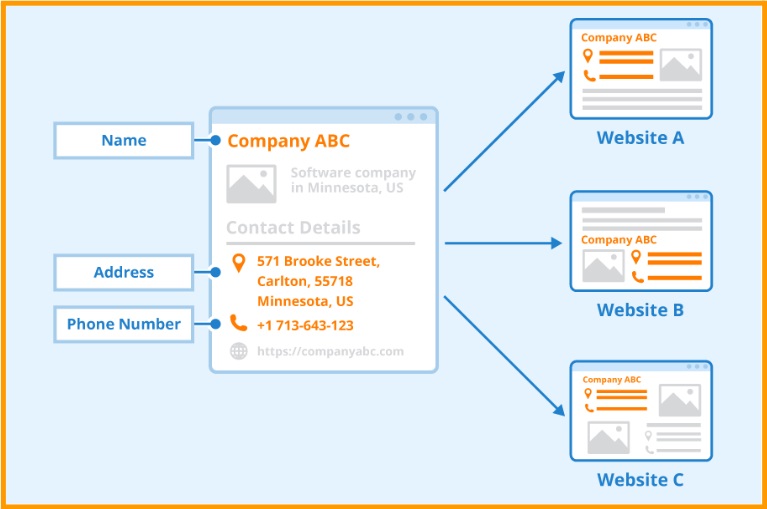
NAP Consistency
An example of NAP Consistency illustrated.

Why NAP Consistency Matters for Your Local SEO Rankings

Improves Local Search Rankings & Google’s Trust in Your Business:

  • Google cross-checks your NAP details across multiple platforms to verify your business.
  • If your NAP information is consistent everywhere, Google recognizes you as a legitimate and trustworthy business.
  • If your details are inconsistent or outdated, Google may lower your rankings or even exclude your business from search results.

Example: If your business is listed as “Smith’s Auto Repair” on Yelp but “Smith Auto Shop” on Google, search engines may see them as two different businesses, leading to ranking issues.

Enhances User Trust & Customer Experience

  • Customers searching for your business expect accurate contact details.
  • Inconsistent NAP details can cause missed calls, lost foot traffic, and customer frustration.
  • 88% of local searchers visit a business within 24 hours—incorrect information can drive them to your competitors.

Example: If your Google listing shows “Open until 10 PM”, but your Facebook page says “Closes at 8 PM”, customers may get frustrated and choose another business.

Strengthens Local Citations & Directory Listings

  • Local citations (mentions of your NAP details in directories, review sites, and social media) help Google validate your business presence.
  • The more consistent and widespread your citations, the higher your rankings in Google’s Local 3-Pack and organic search results.

Example: A plumbing business consistently listed on Yelp, Angi, HomeAdvisor, and Google Business Profile will rank higher than a competitor with missing or inconsistent listings.

Where You Should Maintain NAP Consistency?

Your NAP must be consistent across multiple platforms to improve Local SEO rankings.

Google Business Profile (GBP) & Bing Places

  • Google uses your GBP listing as the primary source for Local 3-Pack rankings.
  • Ensure your business name, address, and phone number exactly match those on your website and other directories.

Your Business Website

  • NAP details should be clearly visible on your homepage, contact page, and footer.
  • Use Schema Markup (structured data) to help search engines identify your business details correctly.

Online Directories & Local Citations

  • Listings on Yelp, Apple Maps, Yellow Pages, TripAdvisor, BBB, Angi, and Facebook Business Pages must have identical NAP details.

Social Media Profiles

  • Facebook, Instagram, LinkedIn, Twitter, and Nextdoor should display the same NAP details as your website and GBP.

Industry-Specific Directories

  • Niche directories improve credibility and rankings for your specific industry.
    • Doctors: Healthgrades, Zocdoc, WebMD
    • Lawyers: Avvo, Justia, FindLaw
    • Restaurants: OpenTable, Zomato, Yelp

Common NAP Inconsistencies That Harm Your Local SEO!

You must avoid NAP inconsistencies, as they can confuse Google and potential customers.

  • Different Business Name Variations: “Jones Dental Clinic” vs. “Jones Family Dentistry”
  • Multiple Phone Numbers in Listings: One number on Google, another on Yelp.
  • Misspelled Addresses: “1234 Elm St.” vs. “1234 Elms Street”
  • Changing NAP Without Updating All Listings: A business moves locations but only updates Google, not Yelp or BBB.

Example: A law firm relocates but forgets to update its address on multiple directories—Google may still show the old location, leading to lost clients and ranking drops.

Best Practices for Ensuring NAP Consistency

Standardize Your NAP Formatting

Choose a uniform format for your business details and use it everywhere.

Example:
Correct: “1234 Main St., Suite 100, Los Angeles, CA 90015”
Incorrect: “1234 Main Street, Ste 100, LA, CA 90015”

Use Schema Markup for Local Businesses

Adding LocalBusiness schema markup to your website helps search engines correctly interpret your NAP details.

Example of Schema Markup:
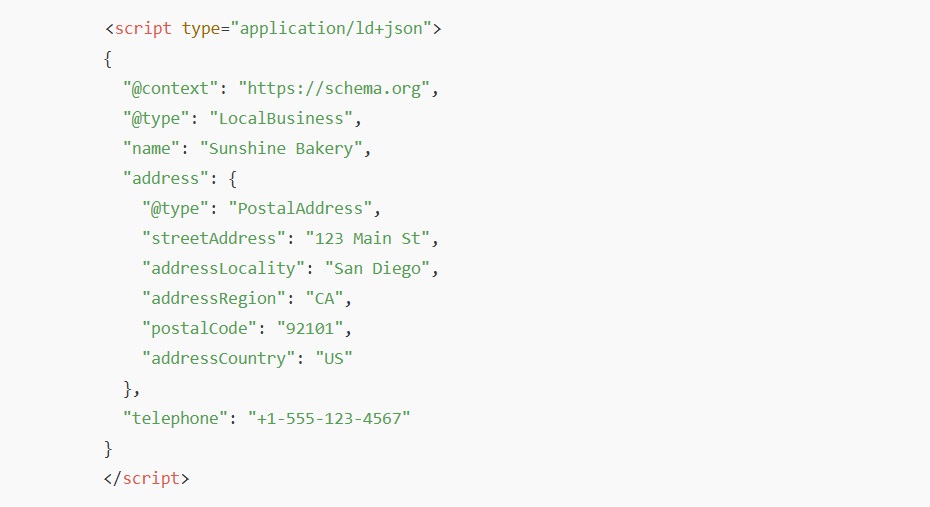
Example of Schema Markup
This is snap for the example of Schema Markup for Local Business.

Use tools like Google’s Structured Data Testing Tool to verify the correct implementation.

Audit & Update Listings Regularly

Use tools like Moz Local, BrightLocal, SEMrush, Whitespark, or Yext to scan and correct NAP inconsistencies.

Monitor Google Business Profile for Changes

Google sometimes auto-updates listings based on user suggestions—regularly check and confirm that your details remain accurate.

Update NAP Immediately After Any Change

If your business moves locations, changes phone numbers, or rebrands, update your NAP simultaneously across all platforms.

Example: A moving company switching phone numbers should update it on Google, Yelp, and their website at the same time to prevent ranking losses.

Impact of NAP Consistency on Your Local SEO Success

Maintaining NAP consistency directly influences your local search performance.

  • Higher Local Rankings – Google trusts businesses with consistent NAP details.
  • More Clicks & Conversions – Accurate contact info means more calls and store visits.
  • Better Customer Experience – Users find the correct location, hours, and phone number instantly.
  • Stronger Local Authority – Consistent NAP boosts credibility and online presence.

Case Study:

One of a my client’s plumbing company fixed its NAP inconsistencies across 30+ directories and saw a 35% increase in local search rankings within three months.

Take Action to Improve Your Local SEO with NAP Consistency

Your NAP consistency is a key ranking factor for Local SEO—Google prioritizes businesses with accurate and consistent listings.

  • Inconsistent NAP details confuse search engines and customers, leading to lower rankings and lost sales.
  • You should maintain NAP accuracy across Google, directories, social media, and your website to improve local search visibility and customer trust.
  • Using tools like Moz Local, Whitespark, and Schema Markup can help you track, correct, and maintain your NAP consistency.

You should ensure your business has accurate and consistent NAP details today to boost your local rankings, attract more customers, and establish long-term credibility.

What Are Local Citations, and How Do They Improve Your Search Visibility?

Your local citations are any online mentions of your business’s Name, Address, and Phone Number (NAP) across websites, directories, social media platforms, and business listings. Citations are one of the most important ranking factors for Local SEO because they help Google and other search engines verify your business’s legitimacy and location.

The more consistent and high-quality citations you have, the higher your business ranks in Google’s Local Pack and organic search results. Your citations also build customer trust, making your business easier to find and contact.
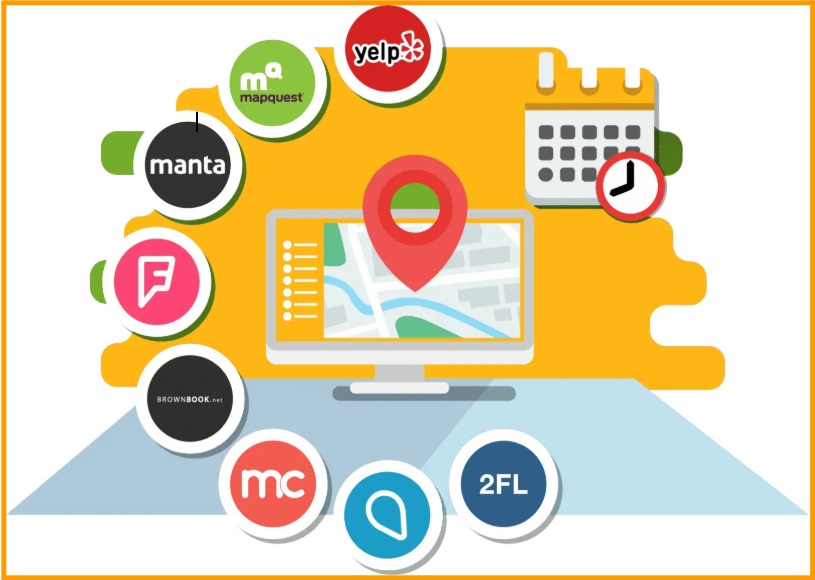
What Are Local Citations?
Top level website for citations.

Citations Improve Google’s Local 3-Pack & Maps Rankings

Businesses with more citations on reputable websites have a higher chance of appearing in Google’s Local 3-PackHigh-quality citations improve your rankings in Google Maps for geo-targeted searches.

Example: A law firm with listings on Justia, Avvo, Yelp, and Google Business Profile is more likely to rank higher for searches like “best personal injury lawyer in Chicago” than a firm with no citations.

Citations Build Business Authority & Customer Trust

  • 88% of consumers trust online directories and business listings when searching for local services.
  • Your presence on trusted platforms like Yelp, BBB, and Google Business Profile increases credibility.

Example: A restaurant listed on Yelp, TripAdvisor, and Google Business Profile will gain more customer trust and visibility than one with no citations.

Types of Local Citations

Structured Citations (Most Common & SEO-Friendly)

These appear in business directories, review sites, and local listings in a structured format, including your business name, address, phone number (NAP), website, category, and operating hours.

Examples of Structured Citations:
  • Google Business Profile (GBP)
  • Yelp
  • Bing Places for Business
  • Apple Maps
  • Facebook Business Pages
  • Better Business Bureau (BBB)
  • Angi (for home services)
  • TripAdvisor (for hotels & restaurants)
  • Industry-Specific Directories (Avvo for lawyers, Healthgrades for doctors, Zomato for restaurants)

Unstructured Citations

These appear in blogs, press mentions, social media, local news websites, and forums. They are less structured but still valuable for brand exposure and search visibility.

Examples of Unstructured Citations:
  • Mentions in Local News Websites – Example: “John’s Plumbing won the Best Business Award in Austin!”
  • Community Blogs & Forums – Example: A blogger recommends a local gym in a fitness article.
  • Social Media Mentions – Example: A Facebook user tags a local bakery in a post.

How to Build High-Quality Local Citations?

Claim & Optimize Your Google Business Profile (GBP)

  • Claim and verify your GBP listing to ensure Google recognizes your business.
  • Keep your NAP details, business categories, and descriptions accurate and up to date.

Submit Listings to Major Business Directories

Ensure correct and consistent NAP information across all directories.

Use citation management tools like Moz Local, Yext, or BrightLocal to automate submission and updates.

Focus on Niche & Industry-Specific Directories

Industry directories improve targeted visibility. Choose directories based on your business type:

  • Lawyers: Avvo, Justia, FindLaw
  • Doctors: Zocdoc, WebMD, Healthgrades
  • Restaurants: Yelp, TripAdvisor, Zomato

Get Listed in Local Chamber of Commerce & Business Associations

Many Chamber of Commerce websites allow businesses to list themselves for free.

Example: “New York Chamber of Commerce Business Directory.”

Encourage Press & Blog Mentions

  • Reach out to local bloggers and journalists to feature your business.
  • Sponsor community events to get mentioned on their websites.

Maintain NAP Consistency Across All Listings

  • Regularly audit citations to ensure uniformity.
  • Update listings immediately after moving locations or changing phone numbers.

Tools to Manage Your Local Citations Effectively

  • Moz Local – Automates citation building & tracking.
  • BrightLocal – Monitors citation health & rankings.
  • Yext – Synchronizes business details across directories.
  • Whitespark – Finds citation opportunities & builds links.
  • SEMrush Listing Management – Identifies duplicate or missing citations.

Take Action to Improve Your Local Search Visibility with Citations

Your citations are a key ranking factor in Local SEO—Google prioritizes businesses with accurate and widely distributed citations.

  • Citations improve your local search rankings by verifying your business legitimacy.
  • More citations on high-authority sites increase trust and brand visibility.
  • Consistent citations drive more traffic, calls, and in-store visits.
  • Regular monitoring prevents ranking drops due to incorrect business details.

You should focus on building structured citations, securing unstructured mentions, and maintaining NAP consistency to dominate local search rankings, attract more customers, and improve your online presence.

© 2026 hussnainds. - All rights reserved.